TCA(Chloral Hydrate) About
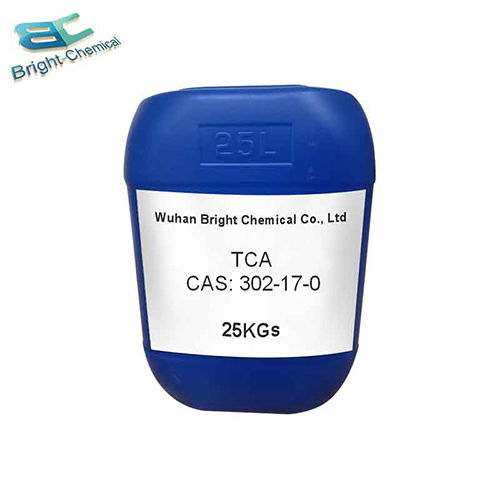
TCA(Chloral hydrate)
- Molecular formula: C2H3Cl3O2
- CAS. No.:302-17-0
- Assay: 99%
- Appearance: clear colorless crystal
- PH value: 4.0-6.0
- Chloride Assay: 0.01%max
- Roasted residue: 0.1%max
- Application: Chemical intermediates for nickel plating, pharmaceuticals, and pesticide.
Superior Physical and Chemical CharacteristicsTCA (Chloral Hydrate) appears as a white crystalline powder with a faint, pungent smell and a bitter taste. Its molecular formula, C2H3Cl3O2, and high density (1.9 g/cm3) make it distinctive among industrial chemicals. The powder melts between 56-57C, decomposes at its boiling point of 97.7C, and is stable when stored as recommended. Its significant solubility in water and organic solvents offers formulation flexibility.
Safe Handling and StorageChloral Hydrate should be handled with caution due to its toxicity (Hazard Class 6.1). Store it in a cool, dry, well-ventilated place, away from sunlight and reactive substances like strong oxidizers, acids, and alkalis. The product is securely packaged in 25 kg fiber drums, ensuring convenient transport and safety during storage. Following recommended first aid procedures is crucial in the event of accidental contact or exposure.
Recommended Industrial ApplicationsTCA is valued in industrial settings for its potent sedative and hypnotic effects, supporting specialized chemical manufacturing processes. Its solubility and stability make it suitable for various pharmaceutical, laboratory, and chemical synthesis applications. Rigorous adherence to safety protocols and regulatory requirements is essential for all usage scenarios.
FAQ's of TCA(Chloral Hydrate):
Q: How should TCA (Chloral Hydrate) be safely stored and handled in an industrial environment?
A: TCA (Chloral Hydrate) must be stored in a cool, dry, and well-ventilated area, away from light and incompatible substances such as strong oxidizers, acids, and alkalis. It should always be handled with appropriate protective gear to minimize exposure, as it is classified as a toxic substance under Hazard Class 6.1.
Q: What are the primary industrial applications of Chloral Hydrate?
A: Chloral Hydrate is primarily used in pharmaceutical and chemical synthesis due to its sedative and hypnotic properties. Its high solubility and stability also make it suitable for various laboratory and industrial processes requiring a high-purity, reactive compound.
Q: When should first aid be administered in case of exposure to Chloral Hydrate, and what are the recommended steps?
A: In the event of contact, the affected area should be rinsed thoroughly with water. Immediate medical attention is required, especially if the substance is ingested or inhaled, to manage potential toxic effects and prevent serious health risks.
Q: Where can TCA (Chloral Hydrate) be sourced reliably?
A: Chloral Hydrate is distributed, exported, and supplied internationally, including from China, by reputable manufacturers, suppliers, and traders specializing in pharmaceutical-grade chemicals. Ensure sourcing from trusted vendors who comply with safety and quality standards.
Q: What benefits does TCA offer for industrial processes and formulations?
A: TCA offers excellent solubility in water and organic solvents, high purity (99% min), and stable performance under recommended conditions. These qualities contribute to its versatility and effectiveness in specialized chemical manufacturing and formulation.
Q: How is Chloral Hydrate packaged for distribution, and what is its shelf life?
A: Chloral Hydrate is packaged in secure 25 kg fiber drums, providing effective protection during storage and transit. When kept under optimal storage conditions, it maintains its quality and stability for up to 24 months.





 : +8613554014698


 Send Inquiry

 Send Inquiry
 Send Inquiry
 Send SMS
 Call Me Free
 English
 Spanish
 French
 German
 Italian
 Chinese (Simplified)
 Japanese
 Korean
 Arabic
 Portuguese