Propargyl Chloride 624-65-7 About
Propargyl Chloride
- CAS No.: 624657
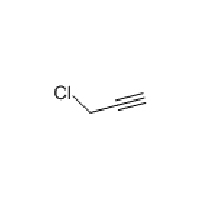
- Molecular formula: CHCl
- Water-solubility: Little soluble in water
- Assay: 99
- Appearance: Colorless and transparent liquid
Application: As a propargyl precursor, it is used many kinds of synthesis and pharmaceutical and electroplating chemical intermediates. In addition, it is a good corrosion inhibitor and anti-rust. And could be weed killer.
Key Features and Chemical PropertiesPropargyl Chloride is valued for its high reactivity and purity, making it a preferred intermediate in laboratories and industrial synthesis. It appears as a clear, pale yellow liquid, emitting a strong, irritating odor typical of lachrymatory agents. With a melting point of -78C and a boiling point near 81C, it is stable under recommended storage. Although insoluble in water, it dissolves readily in most organic solvents, providing versatility across applications.
Safe Storage and HandlingDue to its toxic and highly reactive nature, Propargyl Chloride should always be handled with appropriate protective equipment. Store it in tightly sealed containers in a cool, dry, and well-ventilated space, away from ignition sources. Any transport must comply with hazardous chemical regulations, as reflected by its Hazard Class (6.1) and Packing Group II status. Strict adherence to safety precautions helps ensure both product integrity and personnel safety.
Applications and Industrial UsePropargyl Chloride serves as an essential building block in the synthesis of pharmaceuticals, agrochemicals, and specialty chemicals. Its alkylating properties facilitate a variety of chemical transformations, making it useful in both research and commercial manufacturing settings. As a technical and laboratory-grade product, its high purity and reactivity are significant benefits for chemists and process engineers seeking reliable performance in organic synthesis.
FAQ's of Propargyl Chloride 624-65-7:
Q: How should Propargyl Chloride be safely handled and stored?
A: Propargyl Chloride must be handled with suitable protective equipment, such as chemical-resistant gloves, goggles, and lab coats. Always avoid inhalation of vapors and skin contact. For storage, keep the chemical in a tightly sealed container in a cool, dry, and well-ventilated area, away from sources of heat or ignition. Adhere to all safety data sheet and local regulatory guidelines.
Q: What are common applications of Propargyl Chloride?
A: This compound is widely used as an alkylating agent and intermediate in the synthesis of pharmaceuticals, agrochemicals, and specialty chemicals. Its high reactivity also allows for its use in various organic synthesis processes in both laboratory and industrial settings.
Q: When is Propargyl Chloride typically utilized during chemical synthesis?
A: Propargyl Chloride is generally introduced as a key intermediate when a reactive alkylating agent is required for introducing propargyl groups into target molecules. Its involvement often occurs at strategic stages to build complex structures in drug and agrochemical development.
Q: Where can Propargyl Chloride be sourced and who supplies it?
A: Supplied and distributed by manufacturers, exporters, and traders, primarily in China, Propargyl Chloride is available in technical and laboratory grades for both domestic and international markets. Buyers should ensure suppliers meet regulatory and purity standards.
Q: What is the process for transporting Propargyl Chloride?
A: Transport of Propargyl Chloride must follow regulations for hazardous chemicals (UN Number 2398, Hazard Class 6.1, Packing Group II). Containers should be properly labeled and secure to prevent leaks, and all legal documentation must accompany shipments.
Q: Why is Propargyl Chloride considered beneficial in organic synthesis?
A: Owing to its high reactivity and ability to introduce versatile alkyne functionalities, Propargyl Chloride enables the construction of complex chemical architectures, which is invaluable in pharmaceutical and specialty chemical manufacturing.
Q: What precautions should be observed due to the hazardous properties of Propargyl Chloride?
A: Because it is toxic, lachrymatory, and flammable (flash point 16C), it is important to handle it only in well-ventilated areas with full protective gear. Avoid all direct contact, and have appropriate spill control and emergency procedures in place during handling and use.






 : +8613554014698


 Send Inquiry

 Send Inquiry
 Send Inquiry
 Send SMS
 English
 Spanish
 French
 German
 Italian
 Chinese (Simplified)
 Japanese
 Korean
 Arabic
 Portuguese