
trusted seller
PPS(Pyridinium Propyl Sulfobetaine)

PPS(Pyridinium Propyl Sulfobetaine)

MOQ : 50 Kilograms

PPS(Pyridinium Propyl Sulfobetaine) Specification

  • CAS No
  • 1896-62-4
  • Storage
  • Store in a cool, dry, well-ventilated place, protected from light
  • Melting Point
  • 223-226C (decomposition)
  • Shelf Life
  • 2 years if properly stored
  • Poisonous
  • Non-poisonous
  • Structural Formula
  • C9H16NO3S
  • Usage
  • Used in electroplating, analytical chemistry, biological research, and as a surface modifier
  • Ingredients
  • Pyridinium Propyl Sulfobetaine
  • Molecular Formula
  • C9H16NO3S
  • EINECS No
  • 223-002-6
  • Appearance
  • White to off-white powder
  • Molecular Weight
  • 218.29 g/mol
  • Shape
  • Crystalline
  • HS Code
  • 29335990
  • Physical Form
  • Powder
  • Properties
  • Zwitterionic surfactant, stable, non-toxic, excellent surface activity, reduces static, high solubility
  • Purity
  • >=99%
  • Product Type
  • Chemical Compound
  • Density
  • 1.23 Gram per cubic centimeter(g/cm3)
  • Application
  • Antistatic agent, surfactant for research and chemical synthesis
  • Grade
  • Technical Grade
  • Solubility
  • Easily soluble in water
  • Smell
  • Odourless
  • Ph Level
  • 6.0-7.0 (1% solution)
  • Taste
  • Odourless
  • Environmental Impact
  • Low environmental toxicity
  • Stability
  • Stable under recommended storage conditions
  • Ionic Character
  • Zwitterionic
  • Packaging Details
  • Typically packed in 25 kg fiber drums, customizable on request
  • Compatibility
  • Compatible with most inorganic and organic chemicals
  • Thermal Decomposition
  • Above 220C may emit toxic fumes of SOx, NOx
  • Hazard Statement
  • Generally considered safe, handle with standard laboratory precautions
  • Boiling Point
  • Not applicable (decomposes on heating)
  • Transport Information
  • Non-hazardous for air, sea, and road transport
  • Quality Standard
  • Meets export grade specifications
 

PPS(Pyridinium Propyl Sulfobetaine) Trade Information

  • Minimum Order Quantity
  • 50 Kilograms
  • Supply Ability
  • 500000 Kilograms Per Year
  • Delivery Time
  • 30 Days
 

About PPS(Pyridinium Propyl Sulfobetaine)

PPS(Pyridinium propyl sulfobetaine)

  • CAS No.: 15471-17-7
  • Molecular formula: C8H11O3NS
  • PH value: 2.5-6.0(50%aqueous solution)
  • Usage: 50-150mg/l
  • Wastage: 10g/KAH
  • Assay: 98%
  • Appearance: White crystalline powder

Application: In watts bright nickel plating, it is a start material to make brightener, A high efficiency brightener and leveler. Because of its high purity, PPS cannot carry other harmful impurity or salts to baths. There will not have problem of ductility in long duration. It is used to combine with saccharin, one or more ethylene derivatives and wetting agents. These process make the deposits more bright, level with good ductile character. It is also suitable for still bath.
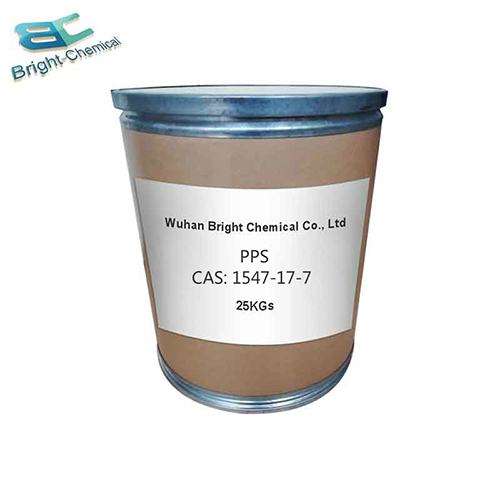


Superior Zwitterionic Surfactant for Research and Industry

PPS delivers excellent performance as a zwitterionic surfactant, making it invaluable in various scientific and industrial applications. Its high solubility, non-toxicity, and ability to reduce static lend PPS exceptional versatility and safety. Compatible with a broad spectrum of inorganic and organic chemicals, it is the preferred choice for innovative processes in analytical chemistry, biological research, and electroplating.


Safe Handling and Long Shelf Life

PPS is stable under the recommended storage conditions and does not pose significant hazards when handled with standard laboratory precautions. Store in a cool, dry, well-ventilated area, shielded from light, to maintain its efficacy for up to two years. Its non-poisonous and non-hazardous nature ensures safe transport and straightforward stock management.

FAQ's of PPS(Pyridinium Propyl Sulfobetaine):


Q: How should PPS (Pyridinium Propyl Sulfobetaine) be stored for maximum stability?

A: Store PPS in a cool, dry, and well-ventilated place, protected from direct sunlight. Following these guidelines preserves its stability and maintains its properties for up to two years.

Q: What are the main uses of PPS in research and industry?

A: PPS serves as an antistatic agent and versatile surfactant, primarily used in electroplating processes, analytical chemistry experiments, biological research, and as a surface modifier for various materials.

Q: When does PPS decompose, and are there hazards associated with heating?

A: PPS begins to decompose above 220C, potentially emitting toxic fumes such as SOx and NOx. It has no measurable boiling point due to this decomposition. It is essential to avoid heating PPS above its decomposition threshold.

Q: Where is PPS commonly applied for maximum benefit?

A: PPS finds broad application in laboratories, electroplating centers, and industrial research facilities, thanks to its compatibility with numerous chemicals and its antistatic, surface-active properties.

Q: What is the process for safely handling and transporting PPS?

A: Handle PPS using standard laboratory precautions, as it is generally considered safe and non-toxic. It is non-hazardous for air, sea, and road transport, and typically shipped in 25 kg fiber drums, with custom packaging available on request.

Q: How does PPS benefit processes as a surfactant and surface modifier?

A: PPS improves surface wettability, reduces static accumulation, and enhances solubility in formulations, leading to more efficient electroplating and cleaner chemical synthesis outcomes.

Q: What are the environmental impacts of PPS usage?

A: PPS is characterized by low environmental toxicity, making it a safer choice for applications mindful of environmental safety and regulatory compliance.

Tell us about your requirement
product

Price:

Quantity
Select Unit

  • 50
  • 100
  • 200
  • 250
  • 500
  • 1000+
Additional detail
Mobile number

Email

More Products in Industrial Chemical (Drum Packing) Category

EHS Hydroxyethyl Sulfonate Sodium Salt

EHS Hydroxyethyl Sulfonate Sodium Salt

Minimum Order Quantity : 50 Kilograms

CAS No : 1896624

Molecular Formula : C2H5NaO4S

Application : Other , Textile auxiliary, dyeing process, pulp & paper, electroplating, water treatment

Appearance : Transparent liquid

IME The compound of imidazole and epichlorohydrin

IME The compound of imidazole and epichlorohydrin

Minimum Order Quantity : 50 Kilograms

CAS No : 1896624

Molecular Formula : Based on the compound: C6H9ClN2O (example: 1(2,3epoxypropyl)imidazole)

Application : Other , Epoxy resin curing agent, chemical intermediate, crosslinking agent, pharmaceutical synthesis
Appearance : Colorless to pale yellow

ATPN S-carboxyethylisothiuronium betaine

ATPN S-carboxyethylisothiuronium betaine

Minimum Order Quantity : 50 Kilograms

CAS No : 1896624

Molecular Formula : C5H10N2O2S

Application : Other , Electroplating additive, laboratory chemicals, nickel plating brightener

Appearance : White crystalline powder

3-Chloropropyne (Propargyl Chloride)

3-Chloropropyne (Propargyl Chloride)

Minimum Order Quantity : 5000 Kilograms

CAS No : 624657

Molecular Formula : C3H3Cl

Application : Industrial

Appearance : Yellowish liquid


Back to top